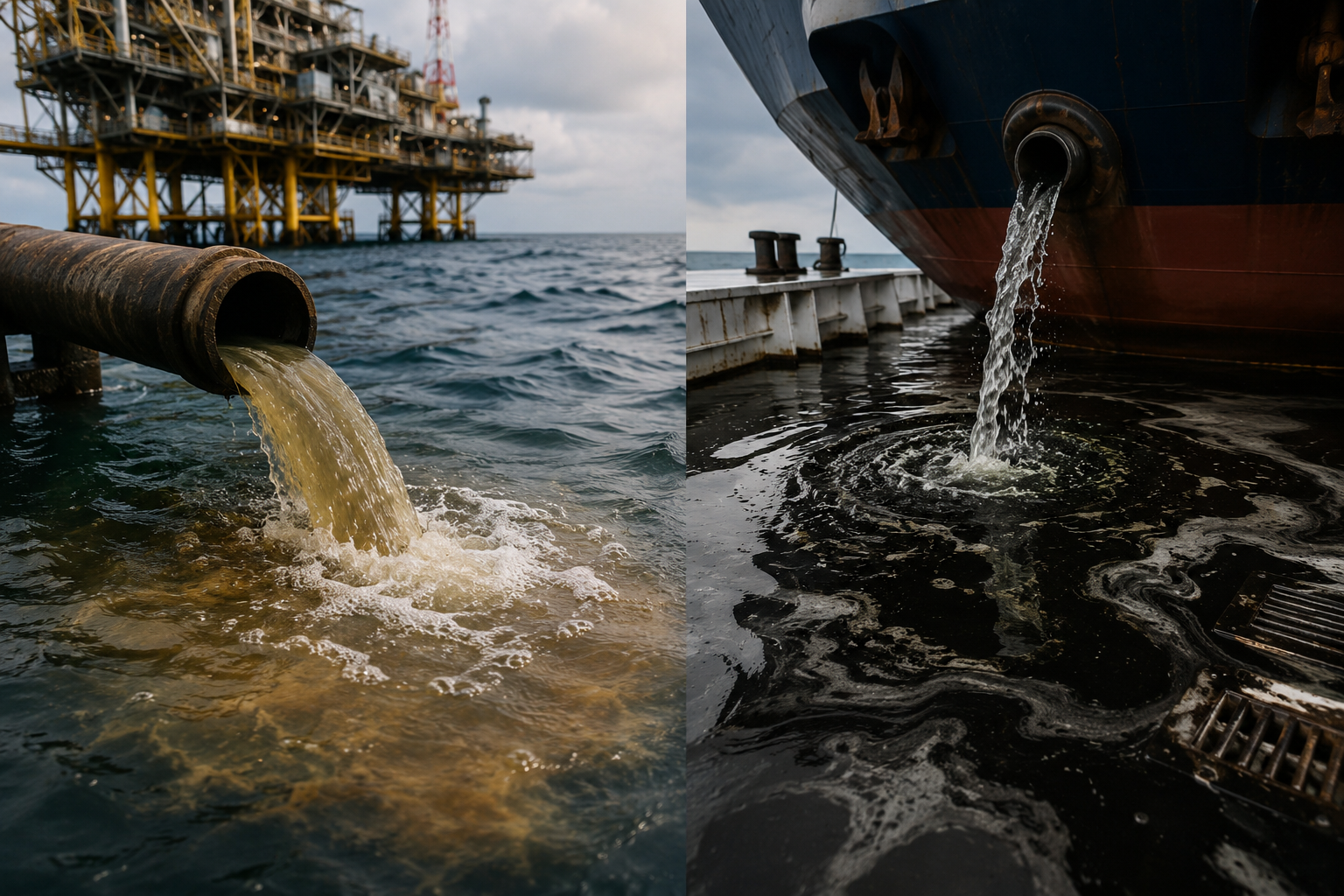
Produced Water Discharge Monitoring for FPSOs
Floating Production Storage and Offloading vessels operate in one of the most complex environmental compliance environments in the marine and offshore sector.
An FPSO is both a floating marine asset and an offshore production facility. That means oil-in-water monitoring requirements may be shaped by several overlapping factors:
- MARPOL requirements for marine pollution prevention
- IMO MEPC guidance for specific discharge systems
- Flag state and class requirements
- Local field permits and national environmental regulations
- Operator standards and EPC project specifications
For EPC and EPCI teams, this creates a critical specification challenge: the monitor selected for a shipboard bilge or tanker discharge application may not be suitable for produced water from an FPSO process system.
Produced water is chemically and physically more complex than conventional bilge water. It can contain dispersed oil, solids, gas, condensates, treatment chemicals, salts and variable hydrocarbon profiles — which is why selecting the right oil-in-water analyser is not simply a procurement exercise. It is a technical compliance decision that affects process performance, commissioning readiness, environmental reporting and long-term offshore operations.

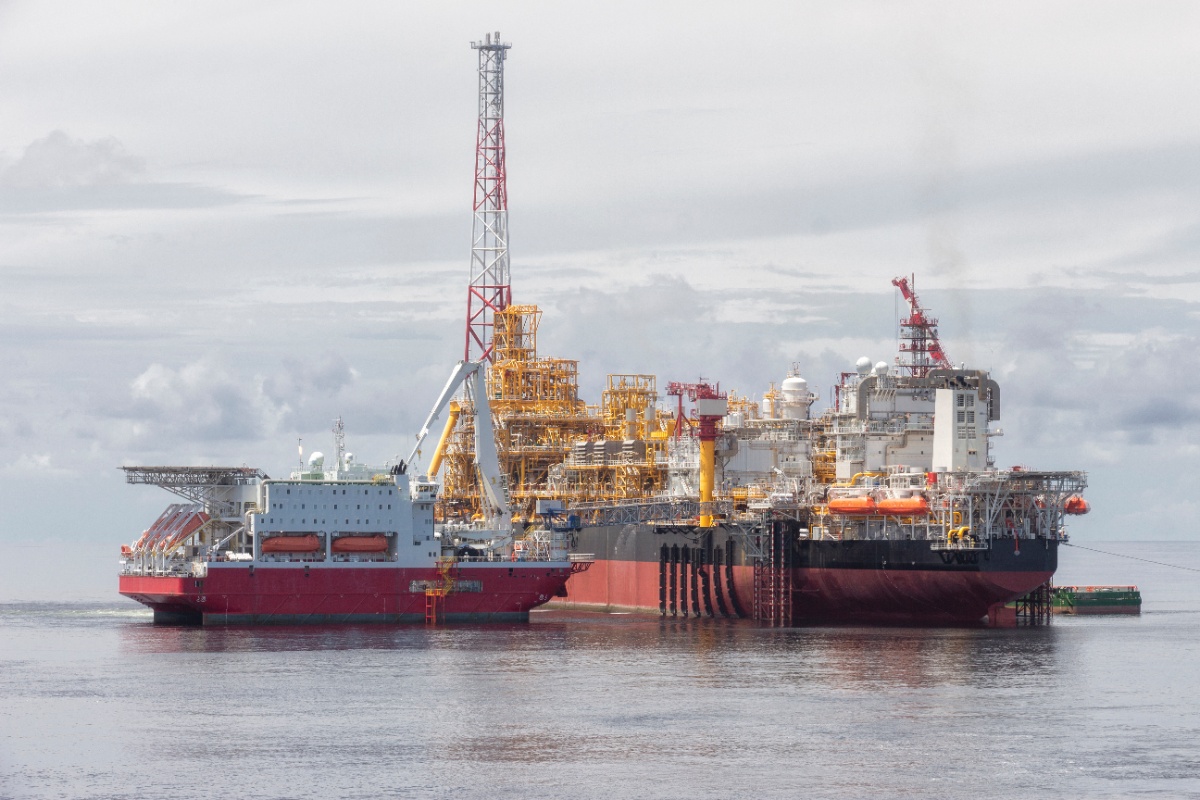
Why Is FPSO Oil-in-Water Monitoring Different?
A standard marine 15ppm bilge monitor is designed for oily water separator discharge from machinery spaces. FPSO produced water is different and typically requires specialist oil discharge monitoring equipment, ODME. For a full explanation of the regulatory differences, see our article on MARPOL and FPSO compliance.
Produced water can vary significantly depending on reservoir conditions, production chemistry and separation performance. Oil concentration readings may be affected by:
- Changing crude composition
- Water cut variation
- Gas bubbles and suspended solids
- Chemical dosing and emulsions
- Sample pressure and temperature
For EPC decision makers, this creates risk during specification. A monitor may appear compliant on paper but fail to perform reliably in the actual FPSO process environment.
Key thing to remember
The correct oil-in-water monitor depends on the discharge stream, the regulatory basis and the process conditions. Rivertrace provides application engineering support to help EPC teams define the right specification before procurement.
Which Regulations Apply to FPSO Produced Water Discharge?
FPSO compliance cannot be reduced to one simple rule. Depending on the FPSO type, discharge stream and operating location, requirements may include both marine and offshore environmental regimes.
Below-the-waterline marine systems
Discharge systems connected to vessel machinery spaces, bilge systems or tanker-derived systems may fall under MARPOL Annex I and IMO MEPC requirements:
- 107(49) applies to 15ppm bilge alarms and oily water separator discharge monitoring and Machinery space discharge
- 108(49) applies to Oil Discharge Monitoring Equipment (ODME) for tanker slop and ballast-related discharge — with discharge limits set at 30 litres per nautical mile or 1/30,000 of previous cargo
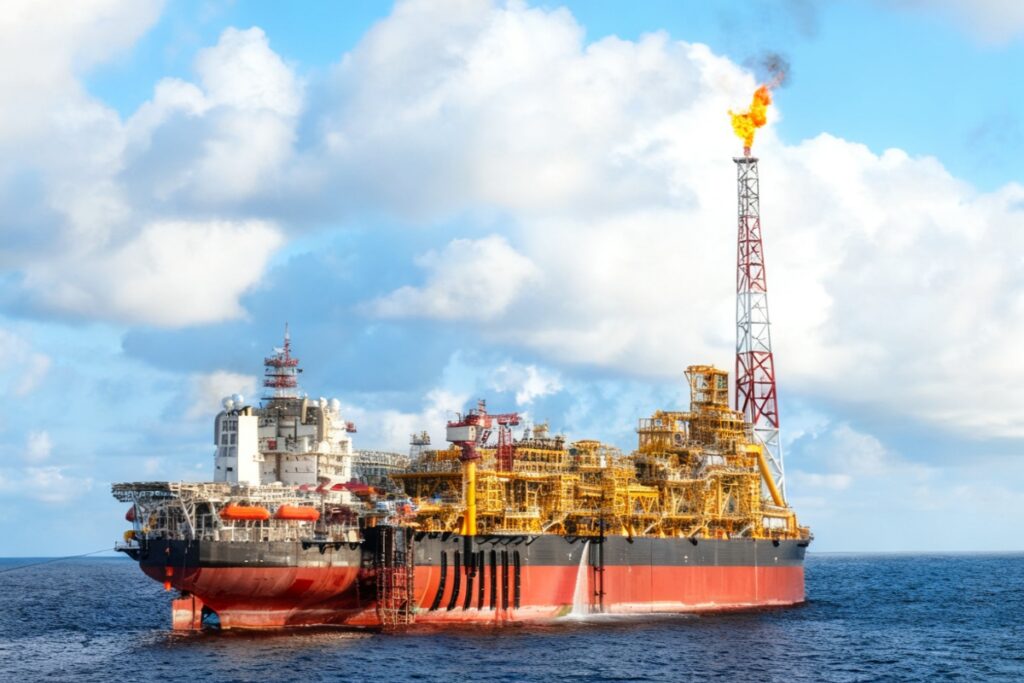
Above-the-waterline process systems
Produced water from topsides processing is typically governed by field permits, national regulations and operator requirements. These may demand different measurement ranges, sample conditioning and reporting capabilities than MARPOL-governed systems.

Where Does Rivertrace Advisory Support Add Value?
For EPC teams, the risk is not only choosing the wrong product. The greater risk is choosing the wrong monitoring approach too late in the project.
Rivertrace helps project teams define the right oil-in-water monitoring specification by considering:
- The discharge stream being monitored
- Applicable MARPOL, MEPC, local and operator requirements
- Process conditions and sample characteristics
- Hazardous-area requirements


- Calibration and maintenance philosophy
- FAT, SAT and commissioning requirements
- Long-term spares and service support
Early advisory input reduces technical queries, avoids specification rework and supports smoother procurement approval.

FPSO Oil-in-Water Monitoring: Typical System Flow
Step 4
Oil-in-water analyser
Step 5
Alarm / control / reporting interface
Step 6
Discharge decision or process intervention
Environmental compliance record
The analyser is not an isolated device. It is part of a wider compliance and process assurance system. The compliance system must support real-time decision-making, provide dependable measurement, integrate with project controls and produce records that operators can defend during audits or regulatory review.
Selecting the Right Rivertrace Product
Rivertrace offers several oil-in-water monitoring solutions relevant to FPSO and offshore applications. The right choice depends on the discharge stream, regulation, vessel history and project specification.
| Product | Best-fit application | Why it matters |
| SMART PFM 107 | MEPC.107(49)-approved oil-in-water monitoring for produced water discharge, oily water separator discharge and drill rig slop tanks | Uses microscopy and optical recognition to differentiate oil particles, gas/air bubbles and solids in the 1–500 micron range; displays oil concentration, pressure, temperature and alarm status. |
| SMART ODME | FPSOs converted from tankers or applications involving tanker slop, tank wash or ballast discharge requirements | Designed for monitoring, recording and controlling ballast discharge for crude oil, product and chemical tankers; meets MEPC.108 (49) and MEPC.240 (65). |
| OCD Xtra | Produced water discharge, hydrocarbon leak detection, wastewater discharge, deck drain discharge and cooling water monitoring | Measures oil accurately across 0–200ppm, can be factory calibrated on up to six oil types and adjusted onsite against laboratory analysis. |
What Should EPC Teams Ask Before Selecting a Monitor?
Before selecting a monitor, EPC teams should confirm:
- Is the discharge stream bilge water, slop water, ballast-related discharge or produced water?
- Which regulation or permit governs the discharge?
- What oil concentration range must be measured?
- Are solids, gas bubbles or emulsions likely to affect measurement?
- Is sample conditioning required?
- Does the analyser need hazardous-area certification?
- How will data be transferred into control, alarm or reporting systems?
- Who will calibrate, service and support the monitor offshore?
- Environmental conditions and requirements on-site – eg. Cooling / heating requirements / IP ratings room or exposed
This is important because a shipboard monitor may be suitable for a defined marine discharge application, but FPSO produced water triggers these additional specification questions.
Common Project Risks Rivertrace Helps Reduce
- Incorrect technology selection
Selecting a monitor designed for the wrong discharge type can lead to unreliable measurement, late-stage technical queries or regulatory challenges. - Commissioning delays
If analyser interfaces, sample conditioning or calibration evidence are incomplete, the monitor can become a blocker during FAT, SAT or first-oil readiness. - Documentation gaps
EPC procurement teams need complete technical, QA, HSE, certification and commercial documentation. Missing documents can prevent a technically suitable supplier from progressing through bid evaluation. - Lifecycle uncertainty
FPSO operators need confidence that calibration, spares and service support will remain available throughout the operating life of the asset.
Who Should Engage Rivertrace?
Rivertrace advisory support is especially useful for:
- Senior Instrumentation Engineers – Analysers defining analyser architecture, sample handling and control interfaces
- Lead Process Engineers validating the monitoring approach against the produced-water treatment process
- Engineering Managers managing cross-discipline integration and technical risk
- Project Procurement Managers seeking supplier documentation, lead times and commercial clarity
- Project Directors / Project Managers focused on schedule, first-oil readiness, compliance and risk
- Environmental / Regulatory Engineers reviewing auditability, reporting logic and environmental compliance evidence
The earlier these stakeholders involve Rivertrace, the easier it is to align technology selection, documentation and commissioning support.
When Should You Contact Rivertrace?
Contact Rivertrace when:
- A new FPSO project requires produced-water monitoring specification
- A converted tanker FPSO requires clarification between ODME and produced-water monitoring requirements
- Local environmental permits introduce tighter discharge monitoring obligations
- Existing oil-in-water analysers are unreliable or difficult to maintain
- A project requires hazardous-area, sample conditioning or control-system integration support
- An EPC team needs procurement-ready documentation for technical bid evaluation
- Operators want a standardised monitoring approach across multiple FPSO projects
Product specification is compliance assurance
For FPSO projects, oil-in-water monitor selection is not simply about choosing a device. It is about defining a monitoring approach that is technically appropriate, regulatorily defensible and operationally maintainable.
Rivertrace supports EPC, EPCI and FPSO contractor teams by combining product selection advice, application engineering support, FAT/SAT and commissioning support, and practical knowledge of marine and offshore oil-in-water monitoring.
Frequently Asked Questions
Why do FPSOs need different oil-in-water monitoring from standard ships?
FPSOs handle produced water from oil and gas production, which can contain changing hydrocarbons, gas, solids, salts and chemicals. Standard shipboard bilge monitors are designed for different water characteristics and regulatory applications and are not suitable for FPSO produced water discharge without specialist engineering assessment.
What is the difference between SMART PFM 107 and OCD Xtra?
SMART PFM 107 is an MEPC.107(49)-approved monitor using microscopy and optical recognition to differentiate oil, gas bubbles and solids. OCD Xtra is a produced-water analyser designed for oil measurement across 0–200ppm and can be calibrated on up to six oil types for site-specific accuracy.
When is SMART ODME relevant to an FPSO project?
SMART ODME is relevant where the FPSO is converted from a tanker or where tanker-related slop, tank wash or ballast discharge monitoring requirements apply under MEPC.108(49).
Who usually influences oil-in-water monitor selection on FPSO projects?
The technical shortlist is typically shaped by Lead Process Engineers and Senior Instrumentation Engineers for analysers, while Project Procurement Managers run the commercial process and project leadership gives final approval.
Why should Rivertrace be involved early in the EPC process?
Early involvement helps avoid incorrect specification, documentation gaps, control-system integration issues and commissioning delays. It also ensures the selected monitoring system aligns with the discharge stream, applicable regulations and long-term service requirements.
Speak to Rivertrace About FPSO Oil-in-Water Monitoring
Selecting the right oil-in-water monitor for an FPSO can be complex. Rivertrace helps EPC and FPSO project teams specify monitoring solutions that support environmental compliance, project delivery and long-term operational assurance.
- Speak to a Rivertrace FPSO monitoring specialist
- Request product specification support
- Compare SMART PFM 107, SMART ODME and OCD Xtra
- Discuss your produced-water monitoring application